
Modern people have often found ancient Egyptian depictions of their gods perplexing and strange, since many of them bear the heads or other features of animals. If you’ve ever wondered why the Egyptians did this, you’re certainly not the first. Even in ancient times, Greek, Roman, and early Christian writers mocked their Egyptian contemporaries for their animal-headed gods (even while some Greeks and Romans adopted them). Later, nineteenth and early twentieth-century western writers claimed the Egyptians’ animal-headed gods as evidence of their culture’s supposed primitivity and inferiority to Greece and Rome.
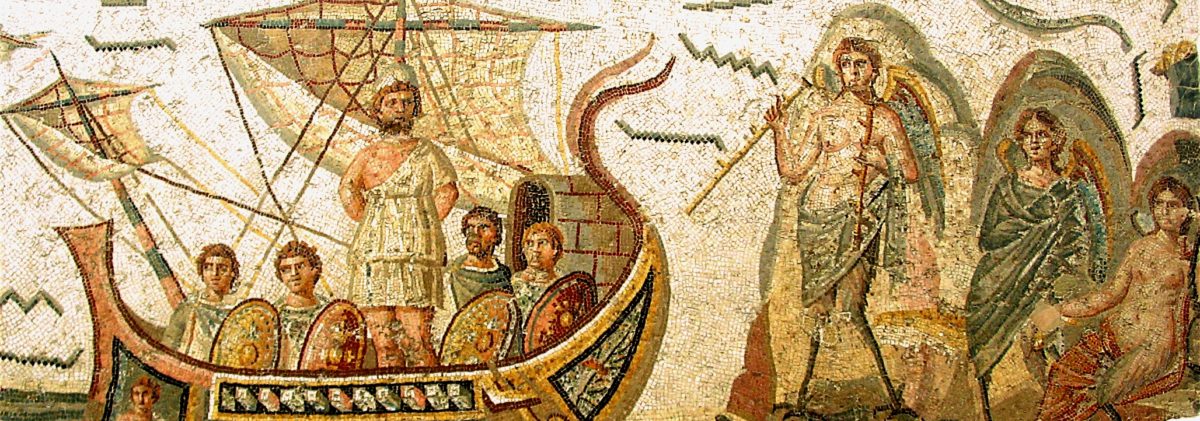
In reality, Egypt is far from the only ancient culture in which people depicted deities with mixed human and animal features. Therianthropomorphic (i.e., human-animal hybrid) deities are fairly common in the ancient Middle East, North Africa, and southern Europe, including even in ancient Greece and Rome. The Egyptians were no strangers to fully anthropomorphic deities either. By exploring the context and history of Egypt’s animal-headed deities, this post will show that, far from indicating lack of cultural sophistication, they actually display ancient Egypt’s creativity and cultural dynamism.
Continue reading “Why Do Ancient Egyptian Gods Have Animal Heads???”